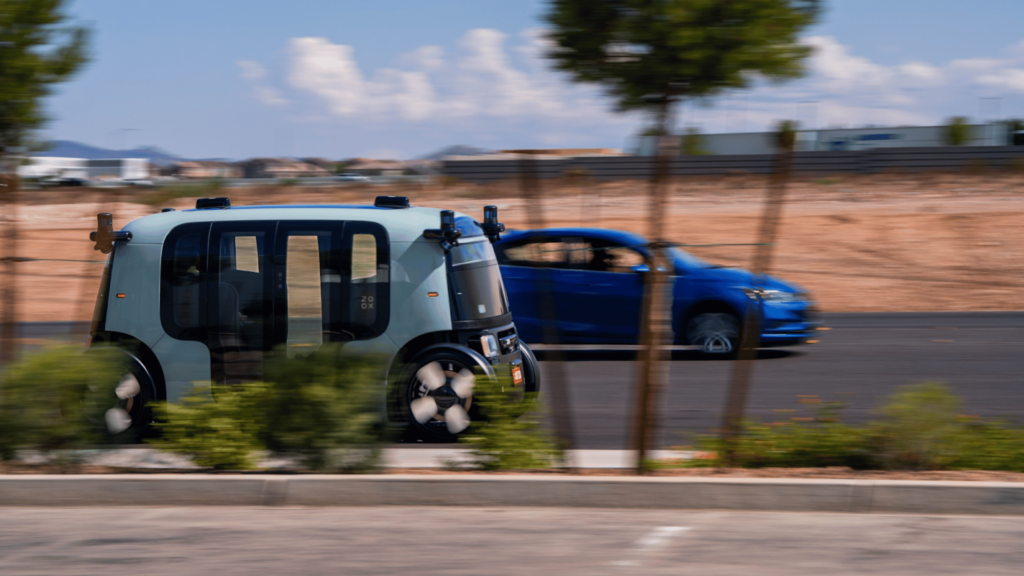
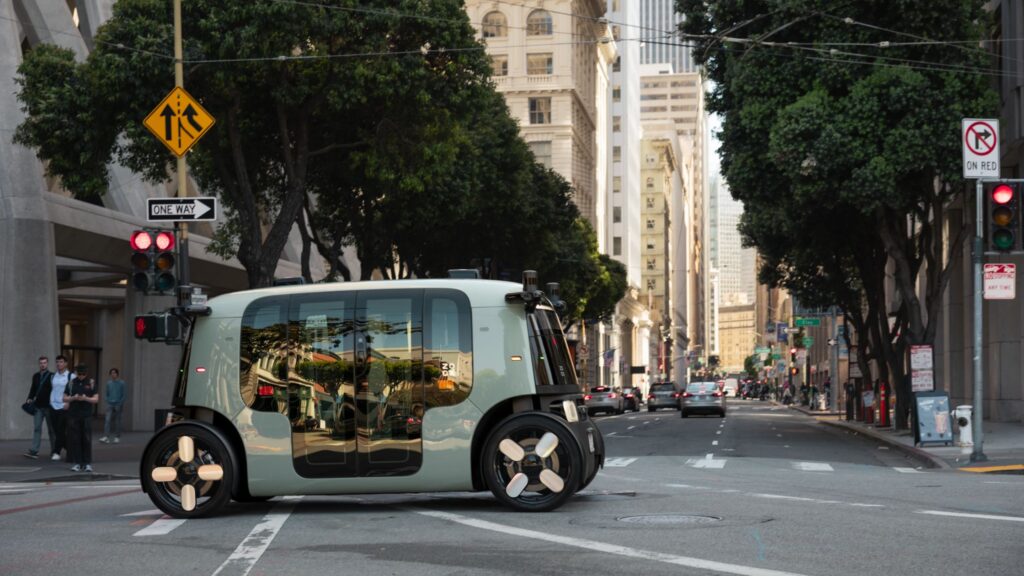
Zoox is 12 years old! The autonomous vehicle company started in 2014 with two founders determined to build a robotaxi from scratch instead of retrofitting an existing car. Amazon bought Zoox in 2020 for roughly $1.2 billion, and the team has spent several years building a self-driving vehicle that people can ride in.
Zoox says 2026 is its biggest year yet. Here’s what that means:
This year alone, it launched the Zoox Explorers program in San Francisco, opened up more of Las Vegas to public riders, rolled out crew service in Austin and Miami, and started testing vehicles in Dallas and Phoenix. It also struck a partnership with Uber and began manufacturing its production-intent robotaxi.
For a company that spent its first decade mostly in testing mode, six separate moves in a single calendar year is simply remarkable.
The San Francisco Explorers program gives everyday riders a way to try the service directly, not just employees or hand-picked testers.
Las Vegas, meanwhile, went from a handful of routes to a service area that now reaches many of the Strip’s biggest hotels, plus limited runs to venues like the Sphere and T-Mobile Arena during events. Riders there have logged close to two million autonomous miles and carried well over 300,000 passengers, with a waitlist stretching past half a million people.
In Austin and Miami, Zoox employees and their families are riding first. Dallas and Phoenix are still limited to testing.
Zoox and Uber agreed to bring robotaxis onto Uber’s platform in Las Vegas this summer, with a second phase planned for 2027. The partnership lets Zoox test demand with a much bigger existing user base without actually giving up control.
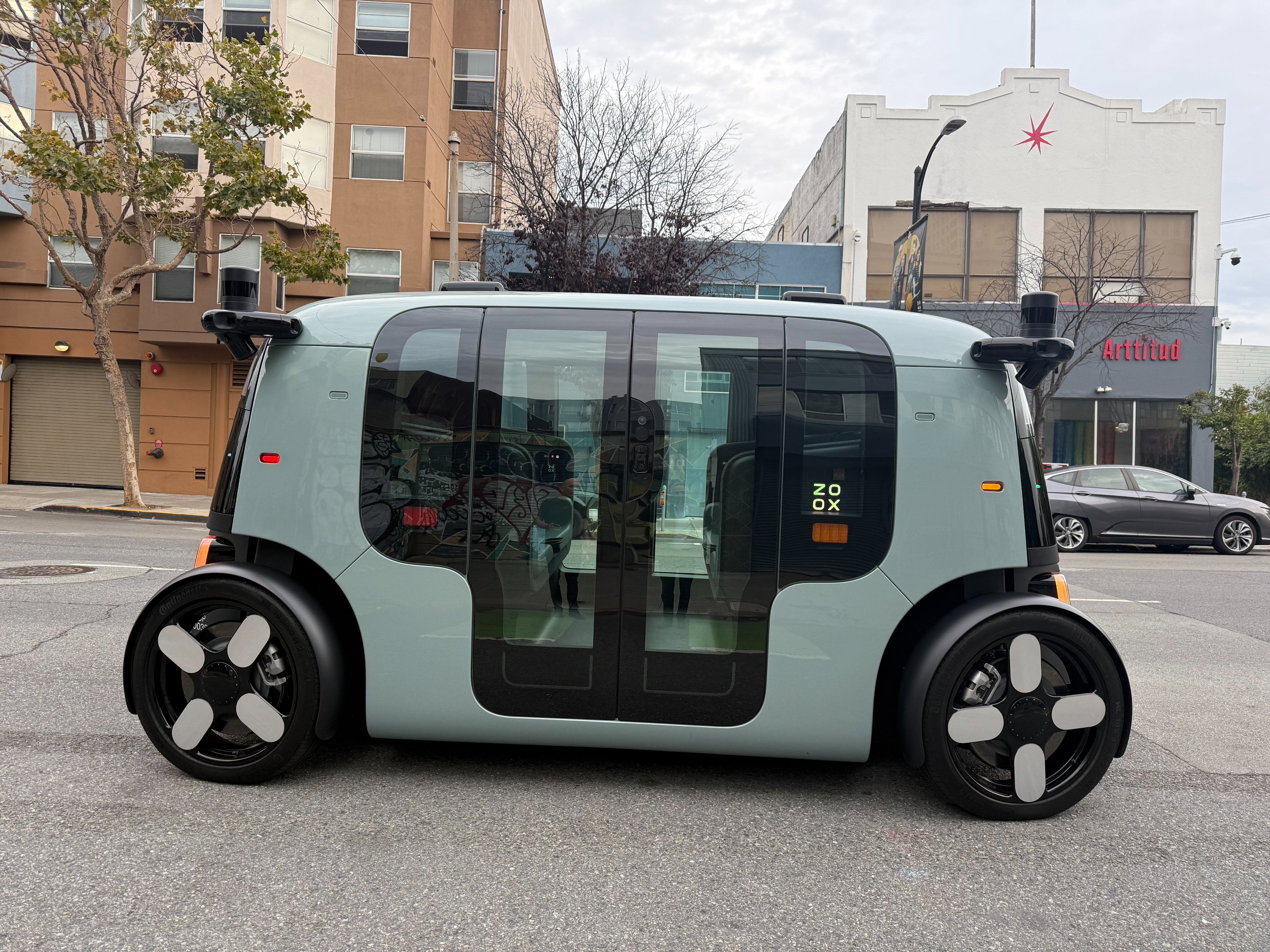
Zoox’s most noteworthy milestone yet in 2026 could be the beginning of manufacturing its production-intent robotaxi at a facility in Hayward, California. The updated Zoox robotaxi has better seats, a sharper touchscreen, repositioned reflectors so people can tell the front from the back at a glance, and interior tweaks meant to help riders spot items they’ve left behind.
You May Also Like:
Is Zoox Robotaxi the Real Self-Driving Car?
How Zoox decides where to go next
Zoox doesn’t pick cities off a map at random. The company looks for places with a strong tech ecosystem and local leaders willing to think long-term about autonomous vehicles, not just tolerate a pilot program. It also looks for conditions that stress-test the technology in specific ways. Phoenix brings heat and dust. Other cities bring dense downtown grids, unpredictable weather, or heavy pedestrian traffic. Each new market teaches the fleet something a lab test can’t.
The company treats site selection almost like vehicle design: purpose-built, and not a one-size-fits-all approach.
What riders can expect from here
Zoox hasn’t launched paid rides yet (Las Vegas to be the first market), and its expansion into Austin, Miami, Dallas, and Phoenix is still in the early stages. Scaling manufacturing, expanding to new cities, and rolling out paid service all carry their own risks, and not every AV company that promised rapid growth has delivered on it.
But the company’s 2026 activity suggests it’s aiming for the moon, and not looking back.
Twelve years down, Zoox is still purpose-built and scaling fast.
Zoox is hiring! Find out open roles at Zoox.
Also Read:
10 Incredible Things You Should Know About Zoox
Zoox Service Areas in the U.S. (A Complete Guide)

I’m Dr. Brandial Bright, also known as the AVangelist. As a dedicated and passionate researcher in autonomous and electric vehicles (AVs and EVs), my mission is to educate and raise awareness within the automotive industry. As the Founder and Managing Partner of Fifth Level Consulting, I promote the adoption and innovation of advanced vehicle technologies through speaking engagements, consulting, and research as we progress to level 5 fully autonomous vehicles.