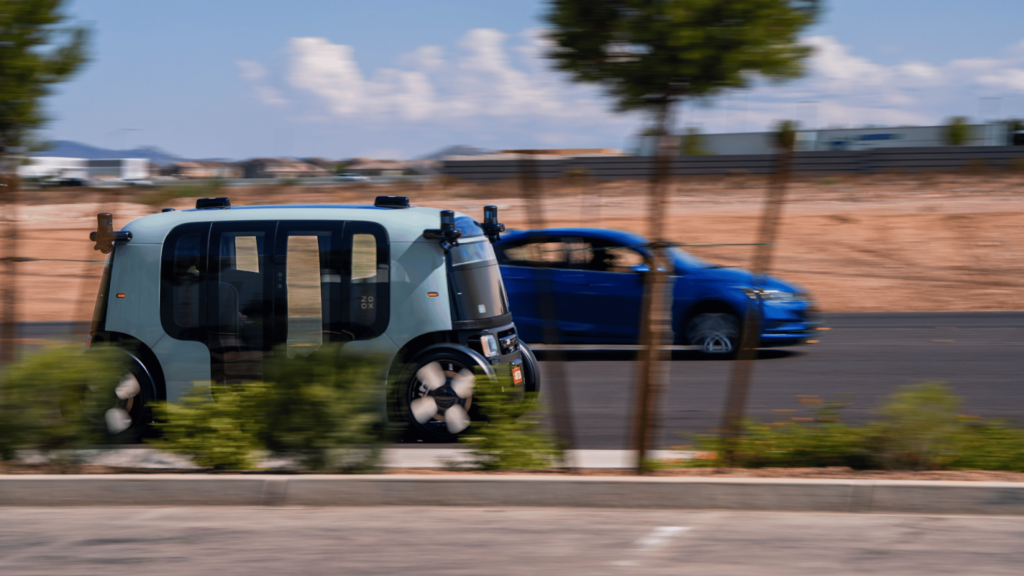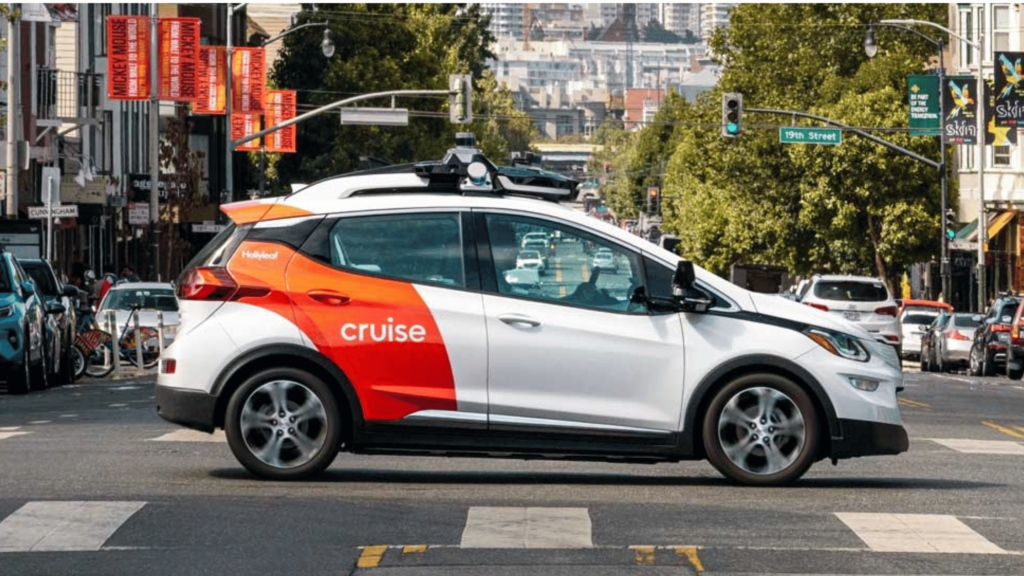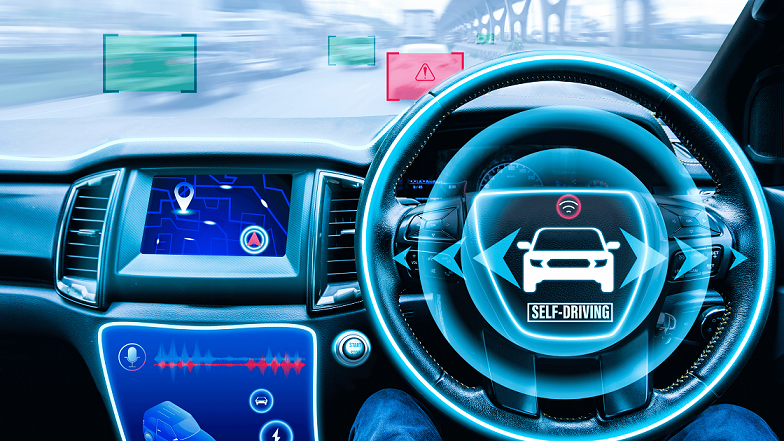
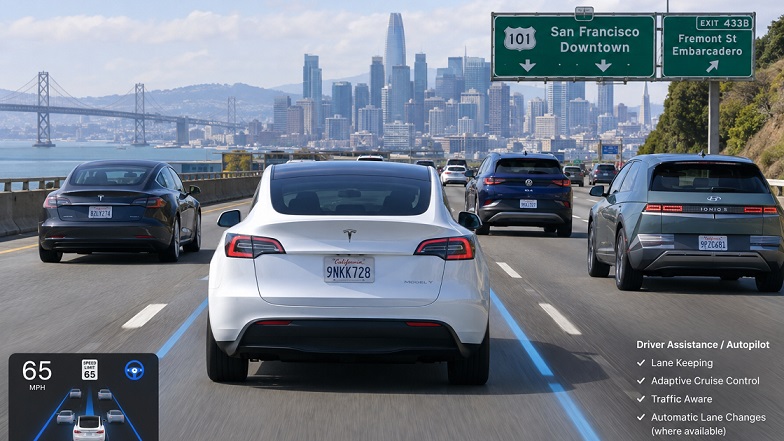
A growing segment of technology-conscious consumers appears increasingly unwilling to judge expensive vehicles solely by horsepower, exterior design, interior craftsmanship, prestige, and traditional luxury features. For these consumers, a luxury vehicle without meaningful automated driving capabilities may look technologically outdated, regardless of how expensive or beautifully engineered it is.
Self-driving technology, or more accurately the driver-assistance systems, is increasingly becoming an important factor that people seriously consider before buying a vehicle.
McKinsey’s 2026 Mobility Consumer Pulse Survey polled more than 20,000 people across China, Germany, Japan, the UK, and the US. About one in four said they’d be very likely to switch car brands for better self-driving functionality. In China, half said the same. Among shoppers under 45, McKinsey found strong agreement with that statement; among those 45 and older, it dropped to roughly one in ten.
Is There a New Measuring Stick for Luxury?
Luxury cars used to compete on leather, horsepower, and badge prestige. Those things still matter, but they’re no longer the whole scorecard. A buyer can admire the craftsmanship in a flagship sedan and still walk away disappointed if the car can’t drive on the highway by itself or parallel park without help.
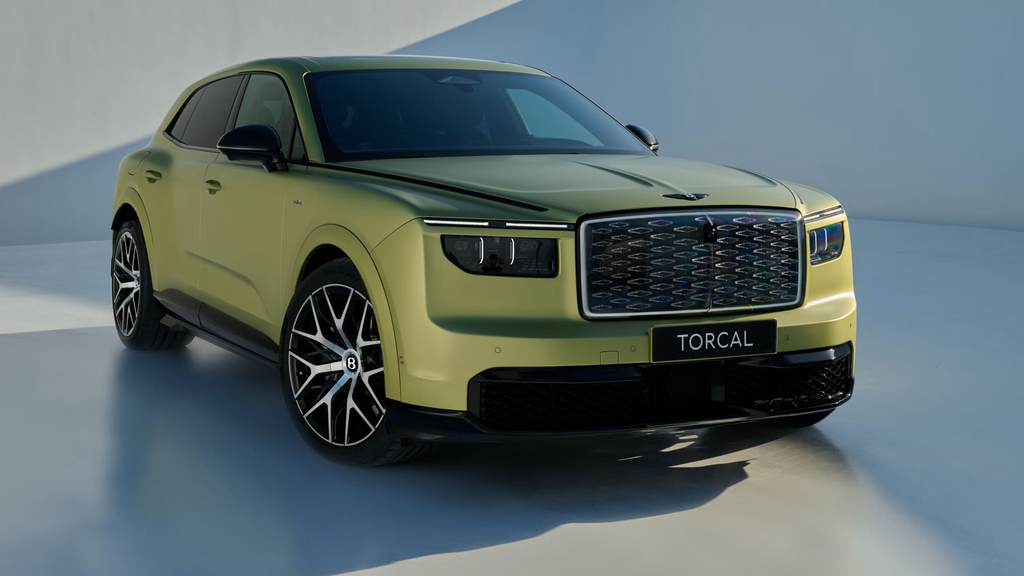
Car dealers are facing a tough question: Can a $150,000 luxury car still compete when a much cheaper car offers better self-driving features?
There is no simple answer. Buyers today want both high-end luxury and smart technology. Meanwhile, traditional car companies are rushing to improve their software after spending a century focusing only on mechanical parts.
Five years ago, car buyers cared most about horsepower and leather seats. Today, their first question is usually about hands-free driving. Shoppers have completely changed what they look for in a car.
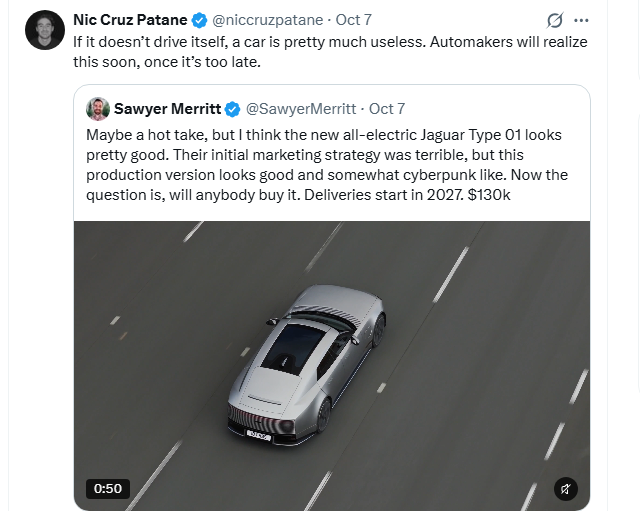
Tesla Changed the Conversation
Tesla deserves credit for showing car buyers that a vehicle can improve over time through software updates. Its Full Self-Driving system can steer, handle intersections, change lanes, and navigate complex routes, all updated wirelessly over the internet.
However, the name creates a lot of confusion for everyday drivers. FSD (Supervised) is classified as SAE Level 2. That means it’s driver assistance, not full self-driving. The person behind the wheel is legally and functionally responsible for the car at all times. Tesla’s choice of wording has done more to confuse shoppers about these limits than almost any other car manufacturer.
This misunderstanding has real consequences for consumers. Anyone who assumes the car can truly drive itself risks paying for a feature based on a mistaken belief about what it actually does.
China’s Automakers Are Turning ADAS into a Price War
While American and European car manufacturers debate charging monthly subscription fees for driver assistance features, Chinese automakers have chosen to include them for free. BYD includes its “God’s Eye” system, also known as DiPilot, as a standard feature across most of its vehicles, even on electric cars priced under $10,000.
The basic version uses cameras, radar, and sound sensors to handle self-parking and highway navigation, while the advanced version adds light-based sensors called LiDAR to assist with city driving. BYD claims its top-tier version can travel over 600 miles on highways without any driver intervention.
However, that bold claim comes with an important catch. Regardless of the version, God’s Eye is officially classified as a Level 2 assistance system that still requires full driver attention, rather than a system that truly drives itself.
Other major Chinese technology and car companies are taking different paths to build similar features. XPeng uses its own custom artificial intelligence and software system, and some of its newer models have eliminated LiDAR completely to rely only on cameras, much like Tesla. NIO develops its own driving assistant aimed at city navigation, while Huawei supplies its advanced software brain to several different car brands instead of making vehicles itself.
The main takeaway is that Chinese automakers have driven costs down dramatically. A car buyer in China can now purchase a vehicle equipped with advanced sensor technology for less than the cost of a typical used sedan in the United States. That intense price competition is likely to spread beyond China and impact the global car market soon.
Europe Is Quietly Changing Its Mind
Western brands used to dismiss Chinese automakers as cheap alternatives. However, McKinsey’s 2026 data suggests that attitude is fading fast. In its European survey sample, 54% of respondents named Chinese OEMs the perceived technology leader in battery-electric vehicles, and 40% said the same for plug-in hybrids.
European shoppers increasingly cite value for money and ADAS sophistication, not just price, as reasons to consider a Chinese brand.
The shift puts real pressure on premium European brands that built their reputations on mechanical engineering rather than software. Kersten Heineke and Philipp Kampshoff, who lead McKinsey’s Center for Future Mobility, have pointed to the need for legacy automakers to invest in what they call bridge technologies, software updates that buy time while a brand catches up on the deeper autonomous driving stack. The uncomfortable truth is that not every legacy brand has shown it can move at software speed.
Buyers Want Help, Not a Replacement Driver
AAA’s 2025 Autonomous Vehicle Survey found that 78% of US drivers want automakers focused on better safety systems. Only 13% listed self-driving vehicle development as a priority, and that number has actually fallen from 18% in 2022. Six in ten drivers said they’re still afraid to ride in a self-driving vehicle, even though trust has ticked up slightly year over year.
J.D. Power’s 2026 Mobility Confidence Index backs that up. The index, which measures comfort with fully automated vehicles on a 100-point scale, sat at 39 in 2026. That’s barely moved from 37 in 2023. Fewer than one in four people surveyed said they’d feel comfortable riding in a fully self-driving car.
Interestingly, comfort with automated commercial trucking scored highest of any category in the study, at 46 points. People seem more at ease with a robot driving freight than driving them.
So what are buyers actually asking for?
Not a car that replaces them. A car that catches their mistakes. Automatic emergency braking, lane-keeping, adaptive cruise, the features that make a daily commute less exhausting without asking the driver to trust the vehicle with their life on a highway at 70 mph.
Level 2, Level 3, Level 4: Why the Difference Actually Matters
Automakers and marketing teams throw around “self-driving” loosely, and it’s doing real damage to buyer understanding. The SAE’s own classification system draws clear lines that most car ads never mention.
| SAE Level | What It Means | Who’s Responsible | Examples |
|---|---|---|---|
| Level 2 | Partial automation. Car handles steering and speed together, but needs constant driver attention | Driver, at all times | Tesla FSD (Supervised), BYD God’s Eye, most XPeng and NIO systems sold today |
| Level 3 | Conditional automation. Car can manage full driving tasks in specific conditions, driver can look away but must be ready to take over when prompted | Shared, shifts to car within defined conditions | Mercedes-Benz Drive Pilot (limited markets), select 2028-model-year GM Cadillac systems announced for eyes-off highway driving |
| Level 4 | High automation. Car handles driving entirely within a defined area or condition set, no driver needed in that zone | Car, within its operating domain | Waymo robotaxis within mapped city zones |
Nearly everything sold to private buyers today, regardless of what the marketing calls it, sits at Level 2. Level 3 is arriving gradually. Level 4 exists almost exclusively in robotaxi fleets, not in cars people own and park in their own driveway.
You May Also Like:
Tesla’s Cybercab Launch Event: Is Elon Musk’s Bet Finally Paying Off?
Bentley Torcal vs. Tesla Cyberbeast: Is Self-Driving the New Definition of Luxury?
6 Best Self-Driving Cars in the US
Top 5 Autonomous Trucking Companies in the US

I’m Dr. Brandial Bright, also known as the AVangelist. As a dedicated and passionate researcher in autonomous and electric vehicles (AVs and EVs), my mission is to educate and raise awareness within the automotive industry. As the Founder and Managing Partner of Fifth Level Consulting, I promote the adoption and innovation of advanced vehicle technologies through speaking engagements, consulting, and research as we progress to level 5 fully autonomous vehicles.