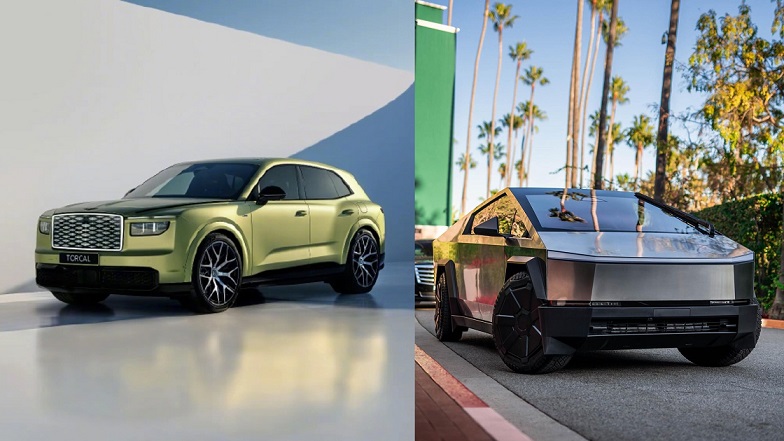
After 107 years of making gas-powered cars, Bentley has launched its first electric vehicle, the Bentley Torcal. On the otherhand, Tesla has spent over ten years building cars that act more like software platforms. Comparing the Bentley Torcal to the Tesla Cyberbeast is comparing two completely different ideas about what an expensive electric vehicle should offer.

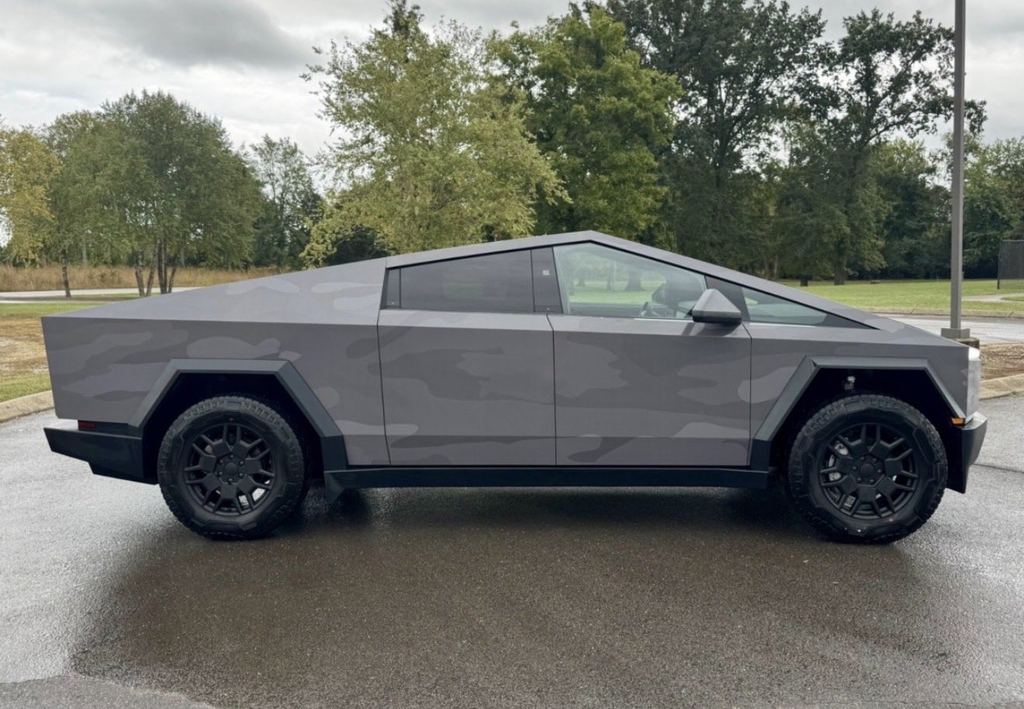
The price difference between them is massive. The Bentley Torcal costs around $230,000, while the Tesla Cyberbeast starts at about $100,000. That leaves a $130,000 gap between the two. This brings up a clear question: is it better to pay extra for traditional luxury like fine leather and custom metal controls, or for smart software that can handle most of your daily drive? The answer goes much deeper than just speed and power.
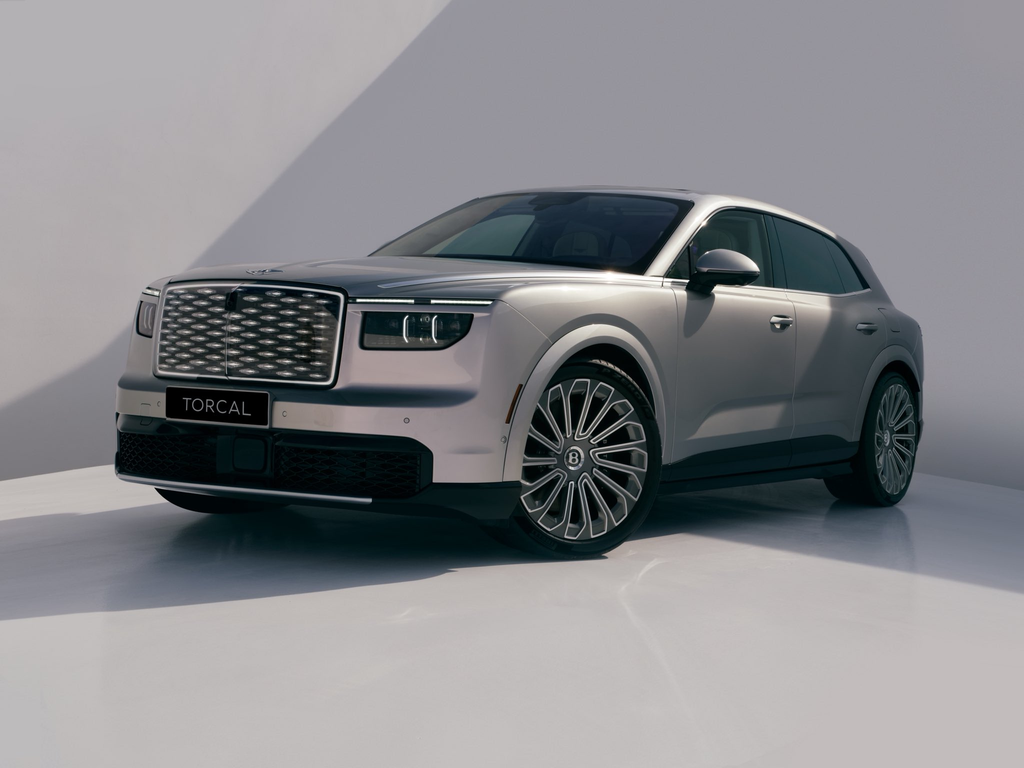
Bentley focuses mainly on comfort and physical details. The Torcal uses an advanced suspension system that adjusts each wheel individually to keep the ride completely smooth through turns without traditional anti-roll parts. Inside, the car plays real recorded sounds for simple actions, such as a glass chime when you touch the screen. Bentley included 25 sensors around the vehicle, but they are used mostly to improve ride comfort and help with parking.
Tesla focuses mainly on technology and computing power. The Cyberbeast uses three electric motors to deliver huge power and precise control over the wheels. Its main feature, however, is its self-driving technology. Instead of using extra radar sensors, Tesla relies on cameras paired with a powerful computer that learns from the real-world driving data of millions of Teslas.
Traditional luxury was designed to make the experience of driving as pleasant as possible. Modern luxury is increasingly designed to remove the work of driving altogether.
The numbers, side by side
| Spec | Bentley Torcal | Tesla Cyberbeast |
|---|---|---|
| Starting price | ~$230,000 (£173,300) | $99,990 |
| Range (WLTP / EPA) | Up to 375 mi | 320 mi |
| Power | 810 hp (876 hp on Torcal S) | 845 hp |
| Torque | Not officially disclosed, Bentley calls it “ample” by tradition | ~1,030 lb-ft |
| 0-60 mph | 3.4 sec (2.9 sec on Torcal S) | 2.6 sec |
| Battery | 113.2 kWh usable, 800-volt architecture | 123 kWh |
| Fast charging | 10-80% in ~16 min | Up to 350 kW DC, ~137 mi added in 15 min |
| Motor layout | Dual motor, AWD, all-wheel steering | Tri motor, AWD, independent rear torque vectoring |
| Curb weight | Not yet published, expected Bentayga-adjacent | ~6,850 lb |
| Sensor suite | 25 radars, cameras, and ultrasonic sensors | Camera-only (Tesla Vision), no radar or ultrasonic |
| Driver assistance | Touring Assist, hands-free on select highways | FSD Supervised, SAE Level 2 |
| Body construction | Aluminum-intensive, handcrafted interior | 30X cold-rolled stainless steel exoskeleton |
The Cyberbeast wins on raw acceleration and is less than half the price of the Torcal. The Torcal wins on range, charging architecture sophistication, and a suspension system with no real competition in Tesla’s lineup.
Both Cars Still Level 2 Systems
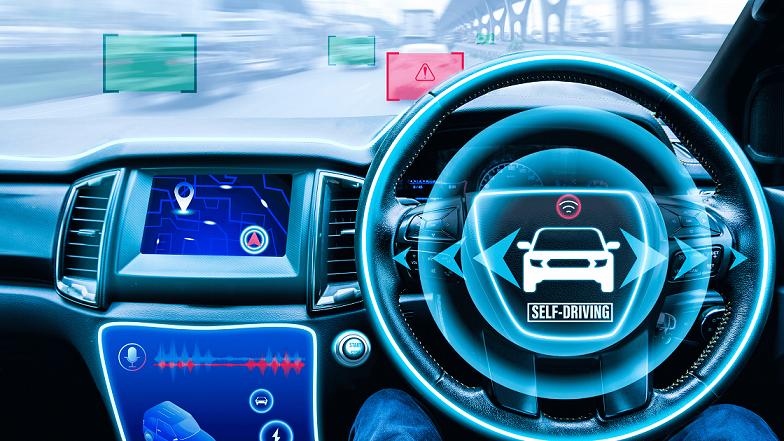
Both Torcal’s Touring Assist and Tesla Cyberbeast’s Full Self-Driving (FSD) Supervised fall into the official category of Level 2 systems. Under Level 2 rules, the human driver is legally responsible for the car at all times, no matter how long the car manages to steer itself without help. Tesla’s official manuals explicitly state that the feature does not make the vehicle fully self-driving. Regulators forced Tesla to include that warning, and government officials have publicly criticized the name “Full Self-Driving” for misleading buyers who do not read the fine print.

Bentley takes a much more cautious approach and has never claimed its cars can drive on their own. Its Touring Assist allows you to take your hands off the wheel, but only on pre-approved highway sections where local laws permit it, and only if you keep watching the road. On those specific roads, the car handles speeding up, braking, and steering, as well as changing lanes when you turn on your signal. Bentley also includes extra tools that remember how to park inside your garage and automatically back the car up using the last 50 meters you drove.
The main difference comes down to how these companies approach driver assistance. Bentley built a focused system designed only for specific, predictable driving situations like clear highways. By keeping its scope narrow, the car stays smooth and reliable, but it only works in limited areas.
Tesla took a much broader approach. Its system tries to handle almost any road, from busy city streets to highways, using a large setup of cameras and complex software. However, despite being more versatile, it still requires a human driver to supervise the car at all times.
Neither is a robotaxi. A driverless Waymo or cybercab running without a safety driver under a Level 4 permit, is an entirely different regulatory and engineering category from either of these cars.
Why Level 3 is the Actual Battleground
Level 2 driving systems, like those from Bentley and Tesla, require the driver to watch the road at all times. Level 3 is where the rules truly change. Under specific conditions, a Level 3 system handles all the driving tasks on its own. The driver does not have to keep their eyes on the road continuously, but they must be ready to take over if the system asks them to step in.
This shift gives drivers back their time and attention. A luxury car that allows its owner to read documents, take phone calls, or relax during a highway trip is completely different from one that simply steers while forcing the driver to watch the road. Over the next few years, giving drivers back their time may be what truly separates ultra-luxury vehicles from merely expensive ones.
Neither Bentley nor Tesla offers this Level 3 capability in privately owned vehicles yet. However, this potential to free up driver attention is why automated driving has shifted from a simple option to a major strategic priority for car companies competing for high-end buyers.
Tesla’s main advantage is not its hardware or chips, but its massive data network. Millions of Tesla cars constantly send real-world driving data back to the company, helping train its software through continuous updates and computer simulations. While traditional automakers can easily buy radar or lidar parts from suppliers, building a software network and data system on that scale is much harder and slower.
At the same time, Tesla comes with significant baggage. Its system remains Level 2, meaning the human driver bears all legal responsibility. The product’s naming has triggered lawsuits, NTSB criticism, and state-level false advertising complaints. In response, Tesla has visibly toned down its promises of full self-driving in favor of narrower, legally safer claims. Such as from Full Self-Driving (FSD) in China to “Tesla Assisted Driving” (TAD).
Bentley’s Bet on Craftsmanship

Bentley is taking a cautious approach to self-driving technology, but not out of fear. Instead, the company simply understands what its customers want. Bentley buyers have never cared about competing over technical stats or spec sheets. Historically, the brand did not even share exact engine horsepower figures, famously describing the power as simply “adequate.”
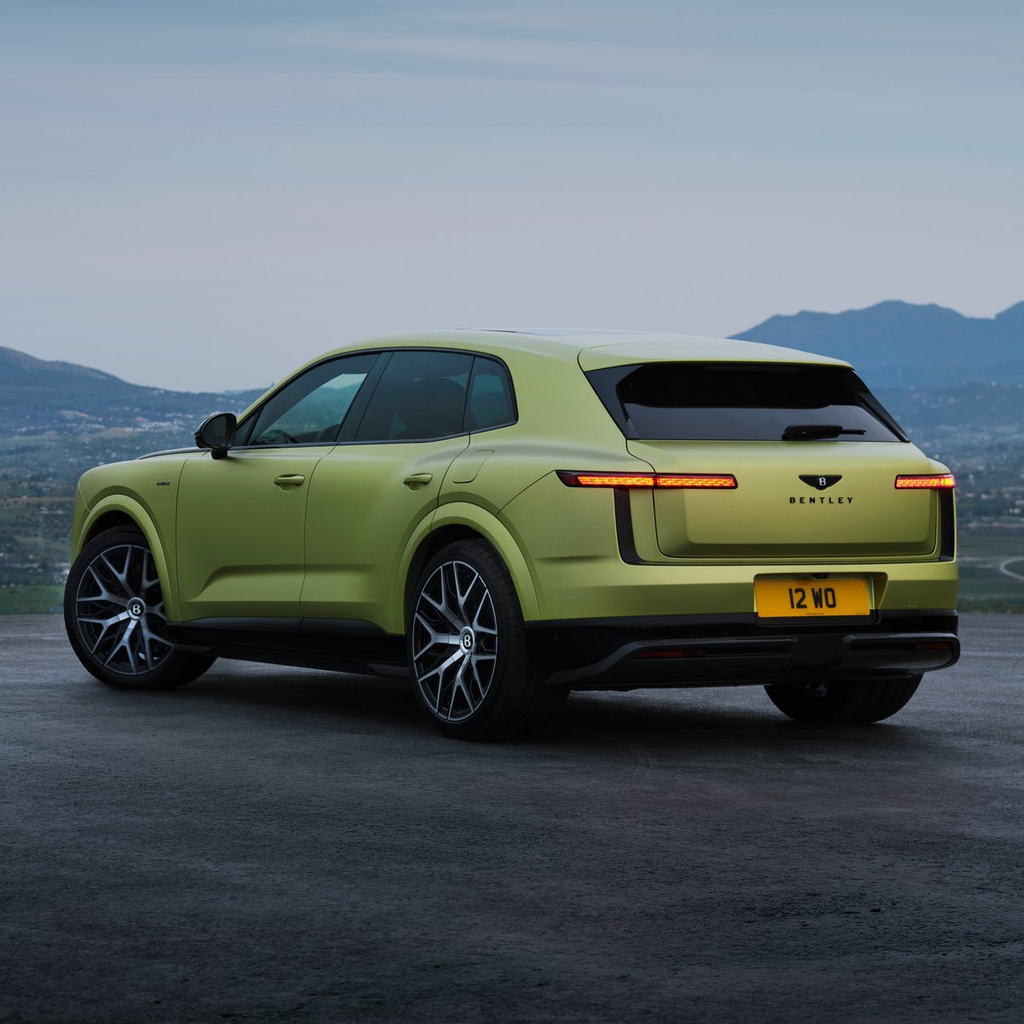
Focusing on a smooth ride, a quiet interior, and simple, dependable automated features suits Bentley owners far better. Trying to follow Tesla’s path of complex, ambitious driving systems would miss what truly matters to its drivers, Bentley understands.
China is Pushing Hard
Chinese manufacturers including Geely, Nio, and BYD are pushing hard into the premium EV segment with large-format displays, in-house AI assistants, dense ADAS sensor suites, and 800-volt fast-charging architectures, all priced well below comparable American, German and British rivals. Industry analysts tracking the shift describe it as a move from a pure price war to a “value for money war.”
This pressure has already slowed down sales for traditional luxury automakers like Mercedes-Benz, BMW, and Porsche in China. It raises an important question: if a Chinese electric car offers similar driver assistance, fast charging, and interior technology at a fraction of the cost, how much does a brand’s long history actually matter?
Bentley relies on something these competitors cannot simply buy from parts suppliers: real, handmade luxury materials crafted by skilled workers rather than shown on a digital screen. As interior technology becomes common and cheap everywhere, this focus on human craftsmanship may hold its value far better over time.
What Happens to Ownership?
Looking towards the future, true full self-driving technology will completely change what it means to own a car. Today, a traditional luxury car like a Bentley just stays parked when you are not using it. In the future, a fully driverless car could move on its own, pick up family members, recharge itself, or even earn money for you by giving rides to others.
Today’s Tesla Cyberbeast is still far from this goal because its driver-assist system still requires a human driver to pay attention. Even so, car companies view self-driving technology as a crucial investment for the future. Instead of being just a tool you operate, the car is turning into a helper that works on your behalf.
So, is self-driving the new definition of luxury?
Not completely, at least not yet. Right now, both Bentley and Tesla offer cars that still need human supervision, which limits what they can actually do. However, their goals are clear. Bentley believes luxury comes from hand-crafted quality and physical feeling. Tesla believes luxury will mean not having to drive at all, supported by years of software development and data collection.
The main question is not which car is better right now. Instead, it is about which version of luxury you expect to pay for once high-level self-driving (Level 4 and 5) becomes a standard feature you can buy.
You May Also Like:
10 Best Self-Driving Electric Cars for 2026
Autonomous Vehicle Technology: Are We Convinced Enough?
Tesla’s Cybercab Launch Event: Is Elon Musk’s Bet Finally Paying Off?

I’m Dr. Brandial Bright, also known as the AVangelist. As a dedicated and passionate researcher in autonomous and electric vehicles (AVs and EVs), my mission is to educate and raise awareness within the automotive industry. As the Founder and Managing Partner of Fifth Level Consulting, I promote the adoption and innovation of advanced vehicle technologies through speaking engagements, consulting, and research as we progress to level 5 fully autonomous vehicles.