Table of Contents
Uber, Nissan, and a British AI company called Wayve have signed an agreement to put robotaxis in Tokyo by late 2026, as Japan turns into one of the most contested proving grounds for autonomous vehicles.
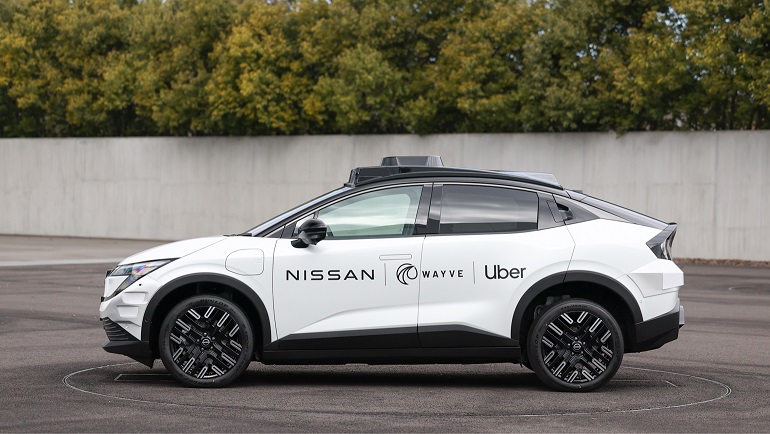
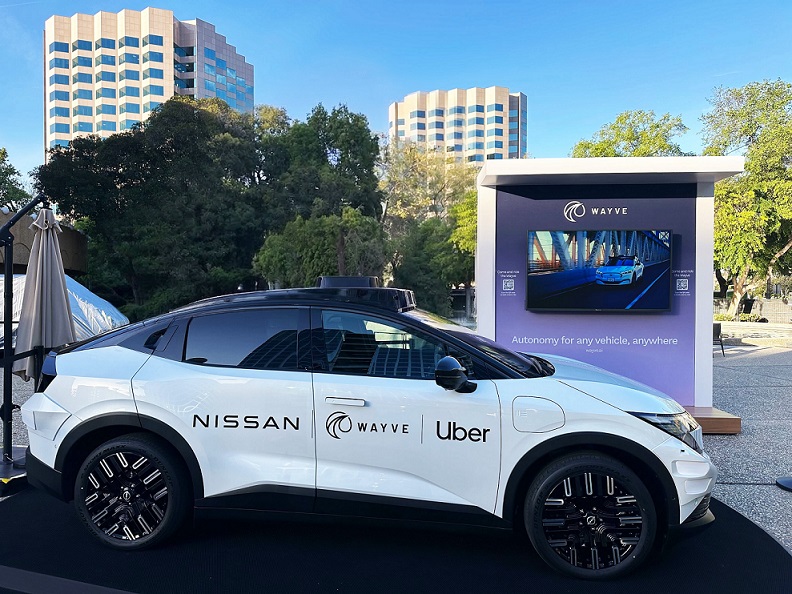
On March 12, 2026, Wayve, Uber, and Nissan signed a memorandum of understanding to deploy robotaxis in Tokyo by late 2026. The plan involves Nissan LEAF electric vehicles equipped with Wayve’s AI Driver software, made available to riders through the Uber app.
Five months later, in August 2026, Uber added a fourth partner: Hinomaru Kotsu, a 76-year-old licensed Japanese taxi operator that will manage the physical fleet.
Nissan and Wayve first teamed up in late 2025 to put Wayve’s artificial intelligence into regular Nissan cars. That original deal set the stage for this new project. The current test in Tokyo simply expands that same technology into commercial and business vehicles.
Alex Kendall, who earned a PhD in AI from Cambridge University, founded Wayve in 2017, and the company has since raised $2.8 billion from major investors like Nvidia, Mercedes-Benz, and Nissan. Its self-driving system, called AI Driver, uses a single AI model to turn raw sensor data directly into driving decisions, skipping the older approach that required perception, planning and control software modules to see the road, plan the route, and control the car.
What’s even more intriguing is the fact that Wayve doesn’t rely on city-specific HD maps or coded rules. Its AI Driver is designed to navigate unseen cities, complex road networks, and unfamiliar countries.
Hinomaru Kotsu – What They Bring
Under Japanese law, passenger transport services must be operated by a licensed taxi company. Uber cannot legally run a fare-paying taxi fleet in Japan by itself. So Uber Japan signed an operational partnership agreement with Hinomaru Kotsu in August 2026, to fulfil the legal requirement of Japan.
Hinomaru Kotsu manages what the official press release calls “day-to-day fleet operations.” In practice, that covers depot management, vehicle cleaning, scheduled maintenance, inspections, charging, and overall vehicle uptime. Hinomaru Kotsu’s own experienced drivers will be placed inside the vehicles as safety operators during the initial phase of the pilot.
This partnership is not starting from scratch. The company already has a working relationship with Uber and self-driving cars. Since 2023, Hinomaru Kotsu has managed Uber’s first electric vehicle fleet in Japan, and powers 100 Tesla Model Ys across Tokyo.
Hinomaru Kotsu brings 76 years of operational experience, existing licensing relationships with Japanese transport authorities, and safety systems built specifically for Tokyo’s streets. Its president, Kazutaka Tomita, described the goal as a framework where “human-driven taxis and robotaxis maximize their respective strengths.”
His statement seemingly answered a question that constantly surfaces in Japan’s AV discussions: Will autonomous vehicles replace Japanese taxi drivers? No, not yet, and not anytime soon.
Japan Has a Real Driver Problem
Japan lost nearly 40% of its taxi drivers between 2009 and 2023, dropping from roughly 376,000 down to 232,000. Today, most remaining drivers are over 60 years old.
In April 2024, new laws put strict limits on how much overtime drivers could work. The goal was to give drivers better working conditions. However, it immediately meant fewer taxis were available on the road, making an existing driver shortage even worse.
In 2024, Japan recorded under 700,000 births—the lowest annual number since records began in 1899, marking the ninth straight year of decline. Today, nearly one-third of the country’s population is over 65.
Because of this severe labor shortage, self-driving vehicles are becoming a practical solution to a crisis the government knows it cannot fix through traditional hiring alone.
Now the government has set a target of deploying unmanned autonomous mobility services across more than 100 municipalities by fiscal year 2027, formalized in the 2025 New Capitalism implementation plan. Japan’s autonomous vehicle market is forecast to grow from $4 billion in 2024 to $24 billion by 2033.
Why Tokyo Is the Hard Version of This Problem
Testing self-driving cars in quiet rural areas is much easier than driving in central Tokyo. Japan already allows automated shuttles in small, low-traffic towns, but central Tokyo presents a far bigger challenge.
The Tokyo metro area is home to 38 million people, with about 30 million commuting on public transport every day. The streets can quickly shift from wide main avenues to narrow side lanes. Packed crosswalks make it hard for self-driving vehicles to move forward because they are programmed to always wait for pedestrians. Drivers must also share tight spaces with a busy mix of trucks, motorcycles, bicycles, delivery vans, and taxis.
Local driving culture plays a huge role as well. Drivers in Japan stay strictly within lane markings, and they handle intersections differently than drivers in North America or Europe. Automated driving systems trained on Western road data need significant local adjustments before they are ready for Tokyo streets.
Wayve has been testing its robotaxis in Japan since early 2025. All those months of real-world driving data feed back into an artificial intelligence system designed to learn constantly. This trial will show if that learning is enough to run a safe, reliable taxi service in the middle of Tokyo.
This test matters far beyond Japan. If self-driving taxis can handle a complicated city like Tokyo, it proves that one flexible AI system can adapt to almost any city in the world without building brand-new software every time. That would be a major leap forward for the entire autonomous vehicle industry.
You May Also Like:
AV Distribution War: Leading Self-Driving Companies Partnering With Uber and Lyft
Will Self-Driving Cars Replace Human Drivers Anytime Soon?

I’m Dr. Brandial Bright, also known as the AVangelist. As a dedicated and passionate researcher in autonomous and electric vehicles (AVs and EVs), my mission is to educate and raise awareness within the automotive industry. As the Founder and Managing Partner of Fifth Level Consulting, I promote the adoption and innovation of advanced vehicle technologies through speaking engagements, consulting, and research as we progress to level 5 fully autonomous vehicles.