On July 8, 2026, the National Highway Traffic Safety Administration (NHTSA) sent a strongly worded letter to autonomous vehicle companies to fix their vehicles’ failure to respond to emergency scenes, or face consequences.
The directive came from NHTSA Administrator Jonathan Morrison. He described a pattern of behavior that, after months of documented incidents across multiple cities, the agency could no longer treat as edge cases or an isolated event.
“Let me be clear,” Morrison wrote. “The inability to detect and appropriately respond to such situations represents a functional insufficiency. Emergency scenes are not rare or extreme ‘edge cases.'”
Autonomous vehicle companies now have until the end of July to present solutions.
What NHTSA Found
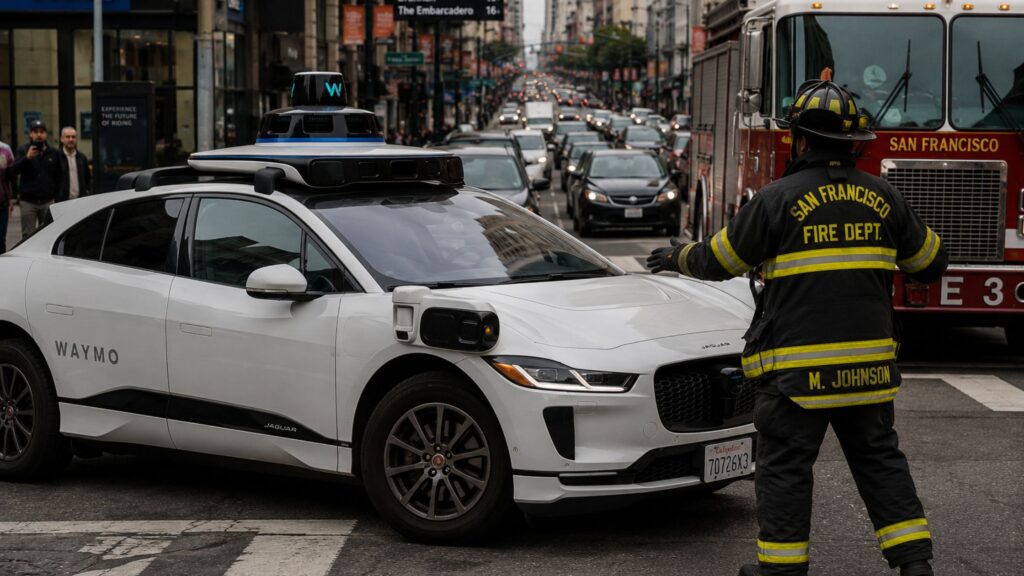
NHTSA’s letter didn’t name specific autonomous vehicle companies, but the agency said it had documented multiple incidents where driverless cars drove directly into active emergency scenes, blocked the paths of ambulances and fire trucks, or failed to react to flashing lights, flares, smoke, fire, and traffic cones.
Morrison drew a direct comparison to how human drivers are treated when they do the same thing.
“Every second matters when law enforcement officers, firefighters, or paramedics are answering a call because lives are on the line,” the letter states. “That is why human drivers who impede these operations are subject to fines and even jail time.”
The NHTSA letter doesn’t spell out what penalties AV developers would face if they ignore the request. But it does say the agency “will continue to exercise our enforcement authority for developers that do not address significant safety concerns.” And Morrison further dropped a warning: “Public trust on our roads is earned, not given.”
Who the Letter Is Really Aimed At
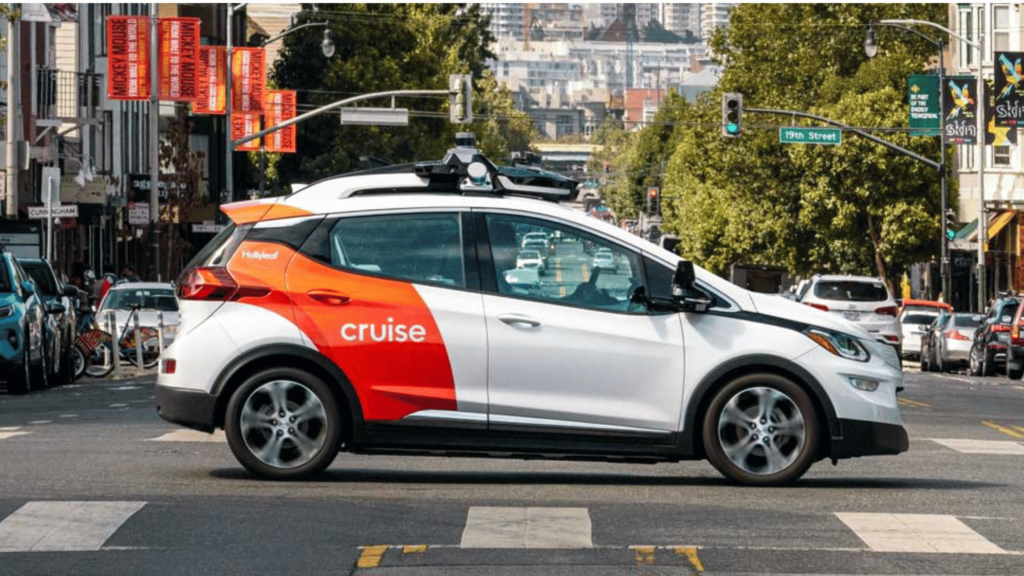
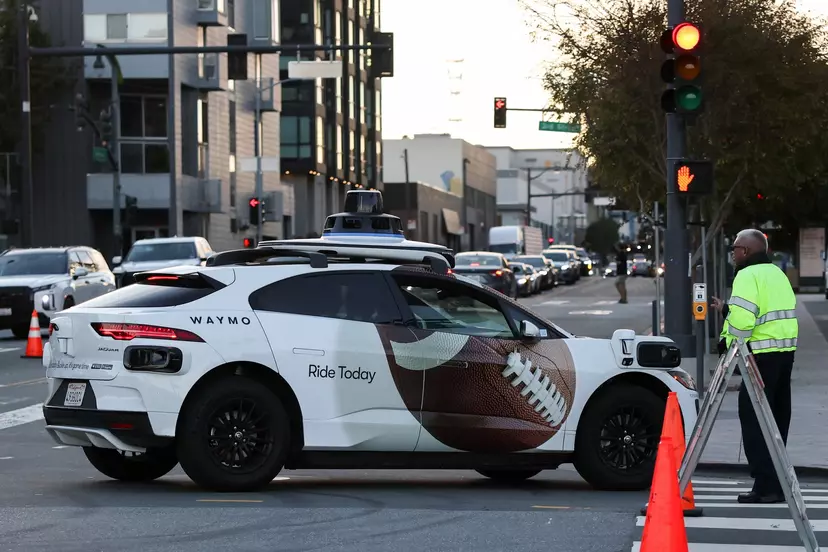
Waymo is the clearest target. It operates the largest robotaxi fleet in the United States, with roughly 4,000 vehicles now running across cities including San Francisco, Los Angeles, Phoenix, Atlanta, Dallas, Houston, and Miami. There are several recorded incidents where Waymo vehicles have interrupted first-responder operations, like blocking ambulances and driving into construction zones. The company declined to comment on the NHTSA letter.
Waymo has trained more than 35,000 first responders on how to interact with its vehicles and says its cars encounter emergency vehicles more than 50,000 times a week in California without issue. A spokesperson told The San Francisco Standard: “Our goal is to support first responders, not create additional work for them.”
Since April 2025, San Francisco firefighters have filed at least 31 internal reports documenting Waymo and other robotaxis obstructing emergency operations. In four cases, responders reported encountering stalled or stopped Waymos while racing to life-threatening “Code 3” calls.
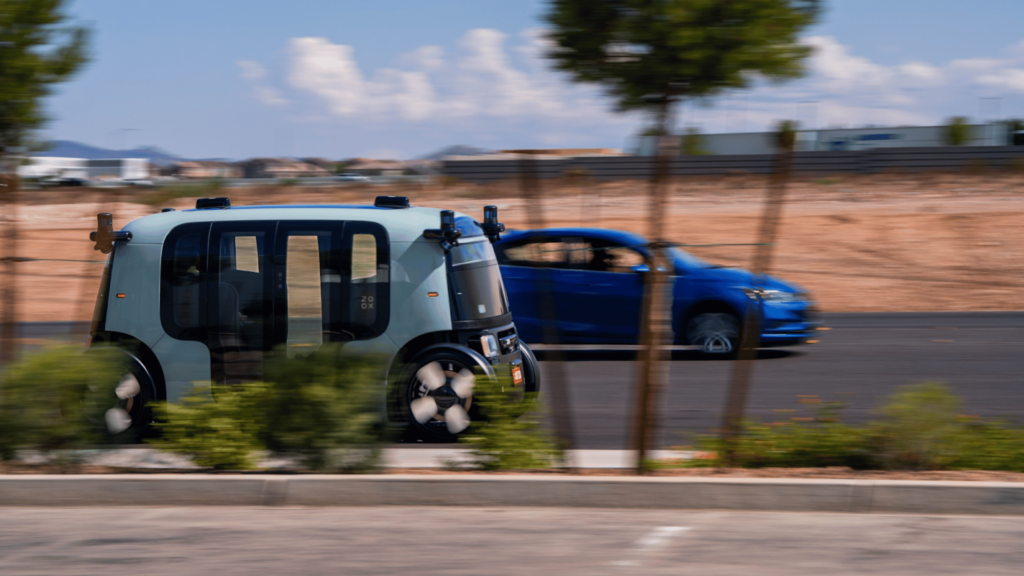
Zoox, the Amazon-owned robotaxi company, also appears in those San Francisco reports.
Tesla operates its own Robotaxi service in Dallas and Houston, expanded in April 2026, but doesn’t respond to press inquiries. NHTSA already has multiple open investigations into Tesla’s Full Self-Driving system, including a probe into crashes where FSD-engaged vehicles ran red lights or turned into oncoming traffic. Crashes involving Tesla vehicles and stationary emergency vehicles are among the incidents that reportedly prompted the agency’s letter.
A smaller company, Avride, is also named in coverage of the NHTSA action.
Officials in San Francisco and Austin had been sounding the alarm about autonomous vehicle behavior around emergency scenes for well over a year before NHTSA put it in writing.
In March 2026, a private meeting between first responders, city officials, and federal regulators at NHTSA surfaced the problem publicly. Mary Ellen Carroll, executive director of San Francisco’s Department of Emergency Management, told attendees that her department was “actually seeing something interesting: backsliding of some things that had been improved upon.” Waymo’s vehicles, she said, weren’t just failing to improve. They were getting worse.
San Francisco Fire Department Deputy Chief Pat Rabbitt shared the sentiment. Austin officials said the same: Waymos were freezing in the middle of intersections and failing to recognize the hand signals responders use to direct traffic around an emergency scene.
The December 2025 blackout caused by a PG&E substation fire in San Francisco was the most dramatic incident yet. Over a thousand Waymo vehicles stopped mid-road when traffic signals went dark, unable to process the absence of signals they were trained to read. Sixty cars had to be physically moved. An emergency dispatcher trying to reach Waymo’s first responder hotline waited 53 minutes on hold.
Carroll told city leaders that scenarios like that keep her up at night. “Anything that brings a high volume of calls to 911 around these kinds of things can delay response, delay our call time for people that have true life-and-death situations,” she said.
On July 4, 2026, Waymos clogged San Francisco streets after encountering road closures from the fireworks and running out of battery power.
What the Regulators Are Demanding
NHTSA says it will schedule meetings with driverless ADS developers by the end of July to hear their proposed solutions. The agency didn’t define what an acceptable solution would look like, which gives companies some room to propose their own approaches, but also gives NHTSA room to reject them.
Morrison was clear about what the agency sees as the core failure. These vehicles, he wrote, are supposed to represent a leap forward in road safety. An AV that cannot safely interact with first responders isn’t a step forward. “To state it bluntly,” Morrison wrote, “an AV that cannot safely interact with first responders is a danger to the general public.”
At the same time, NHTSA announced it is making progress on updating Federal Motor Vehicle Safety Standards to accommodate autonomous vehicle designs. Proposed rule changes would remove requirements for windshield wipers, sun visors, defogging systems, and tire placards, changes that would help Tesla and Zoox as they build vehicles without steering wheels or pedals. The agency also started work on the first federal safety standards specific to autonomous vehicle performance since 2017.
Cities and States Are Taking Action Too
NHTSA isn’t the only body pushing back. California already passed a law requiring autonomous vehicle companies to respond to calls from first responders within 30 seconds. State regulations also give emergency officials the ability to issue “do not enter” directives, requiring AVs to vacate an emergency area within two minutes.
In San Francisco, Supervisor Connie Chan is pushing for local legislation that would give the city authority to fine companies when their autonomous vehicles obstruct emergency operations. The city attorney’s office is drafting the proposal, which would also create a cost recovery fee for false emergency calls triggered by AV incidents.
“The goal is to have a conversation about what type of incident is occurring because of these types of technology, but also hold these companies accountable,” Chan said. “This is going to impact their bottom line. This is only the first step.”
San Francisco Mayor Daniel Lurie stopped short of criticizing Waymo by name but said the situation is clear. “We need our first responders to be safe. We need them to help our residents safely. And so, these companies need to do better.”
Beyond San Francisco
San Francisco gets the most press because it was the earliest city to scale robotaxi operations. But Waymo now runs fleets in Dallas, Houston, Los Angeles, Atlanta, Miami, and Phoenix. Tesla is live in Dallas and Houston. The incidents being documented in California are already showing up in Texas.
In April 2026, five Waymos were reported to have blocked first responders during a shooting in Austin. In June 2026, an officer manually moved a Waymo vehicle to clear the road for responders heading to a natural gas explosion at an apartment building in Dallas.
The technology is expanding faster than the reporting systems cities use to track its failures. William Riggs, director of USF’s Autonomous Vehicles and the City Initiative, pointed out the lack of standardization. “There’s very little scientific rigor or standardization across municipalities on how cities are collecting data on their interactions with the vehicles,” Riggs said. He also cautioned against letting frustration derail collaboration: “When all you have is finger pointing, you’re going to end up with an incident where there’s no room for collaboration.”
Research engineer Steven Shladover from UC Berkeley offered a more measured view. “I think it’s important to recognize this is a technology that is still under development. It’s not a mature adult yet, and children need to learn,” he said. “There’s a lot of promise.”
You May Also Like:
Autonomous Vehicle Technology: Are We Convinced Enough?
Autonomous Trucks Are Now Permitted in California

I’m Dr. Brandial Bright, also known as the AVangelist. As a dedicated and passionate researcher in autonomous and electric vehicles (AVs and EVs), my mission is to educate and raise awareness within the automotive industry. As the Founder and Managing Partner of Fifth Level Consulting, I promote the adoption and innovation of advanced vehicle technologies through speaking engagements, consulting, and research as we progress to level 5 fully autonomous vehicles.