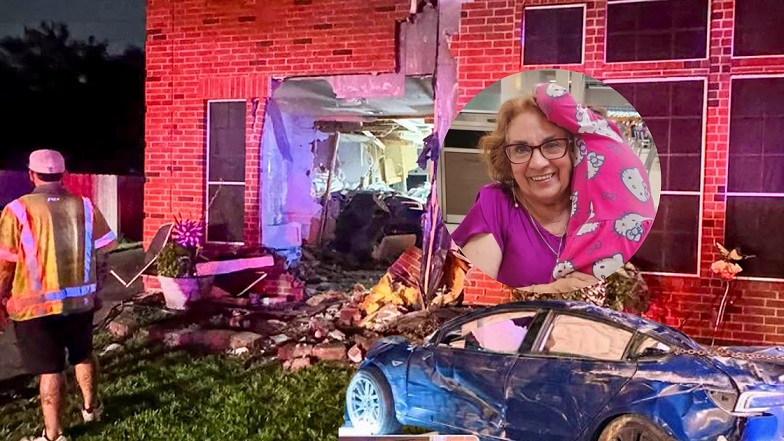
A Tesla Model 3 tore through the wall of a Katy, Texas home on June 19. The crash killed 76-year-old Martha Avila, who was standing in her own front room at the time. The driver told deputies he had Tesla’s automated driving system engaged. Days later, federal safety regulators opened an investigation, and Avila’s family sued Tesla and the driver in Harris County court.
The case raises a valid question Tesla has faced again and again: when a car running Autopilot or Full Self-Driving crashes, who’s responsible? The driver, the company, or both?
What Happened on Rose Hollow Lane
Avila was inside her brick home on Rose Hollow Lane around 8 p.m. that Friday. A Tesla Model 3, driven by 44-year-old Michael Butler, was heading east down the residential street. The car failed to stay in its lane, left the road, and tore through the brick wall into the front room, the Harris County Sheriff’s Office said.
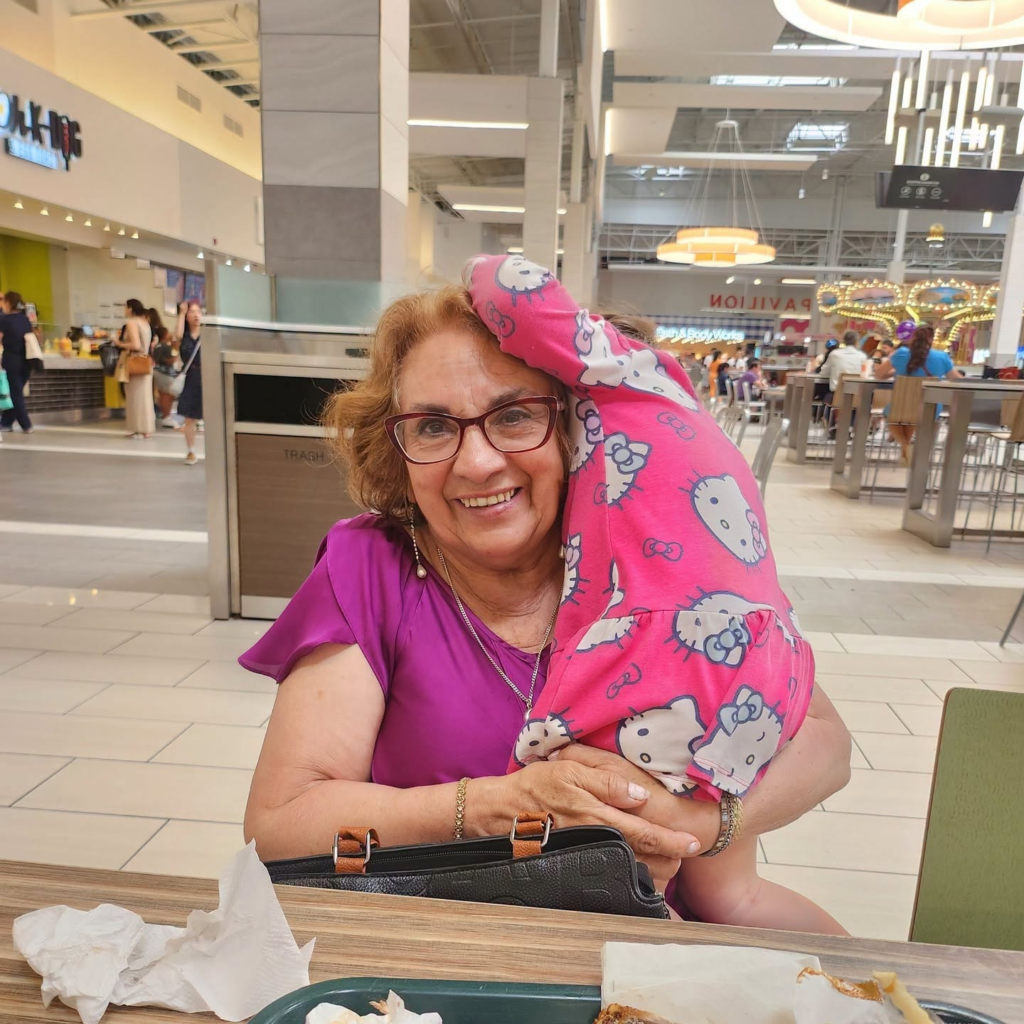
Avila was pinned in the wreckage. Paramedics airlifted her to a nearby hospital, where she was pronounced dead. Her son-in-law, Justin Barbour, was also inside the house. He suffered injuries to his neck, back, and shoulder. Butler was hospitalized too, though his injuries were less severe.
Investigators said Butler showed no signs of intoxication and cooperated fully throughout. No criminal charges have been filed against him as of this week.
Neighbors on Rose Hollow Lane watched the crash unfold. One witness told Click2Houston the Tesla Model 3 was moving fast, somewhere around 60 to 70 miles per hour, before it hit a curb and tore into the house.
Cynthia Moll lives next door. “This is absolutely, it’s a tragedy,” she said, describing Avila as a second mother to people in the neighborhood, someone whose loss has hit both family and friends hard.
Butler told deputies the Tesla Model 3 had an automated driving assistance system engaged at the time of the crash. Reports differ on whether he meant Autopilot or Full Self-Driving. Reporters who tried to reach him directly got no response.
The sheriff’s office said its early investigation turned up no sign of a mechanical malfunction in the vehicle itself.
Tesla Pushes Back
Tesla’s response came fast. CEO Elon Musk posted on X that the crash “makes no sense.” He pointed to a key detail: Full Self-Driving moves slowly through residential streets, and this was a high-speed crash.
Ashok Elluswamy, Tesla’s vice president of AI software, went further. He said vehicle data showed the driver manually overrode the self-driving system, pressing the accelerator to 100 percent. The Tesla Model 3 hit roughly 73 miles per hour before impact, he said. The pedal reportedly stayed pressed even after the crash.
Tesla itself didn’t respond to several media requests for comment in the days following the crash. Both public statements came from Musk and Elluswamy on social media.
The Family’s Lawsuit
Avila’s daughter, Jennifer Barbour, and her husband Justin filed a wrongful death lawsuit against Tesla and Butler in Harris County District Court. They sued individually and on behalf of Avila’s estate.
The lawsuit accuses Butler of negligence. It accuses Tesla of a design defect in its Autopilot and Full Self-Driving systems, plus a failure to warn drivers clearly about what the technology can and can’t do. It also raises a deceptive marketing claim against the company. The family is seeking more than $1 million in damages, along with punitive damages.
Attorney Chris Adkins of Zehl & Associates represents the family. He said the case centers on a product defect claim and a failure-to-warn claim, while the investigation is still gathering facts.
The lawsuit also demands Tesla preserve every piece of data tied to the crash. That includes the vehicle itself, black box logs, Autopilot and Full Self-Driving software records, sensor and camera data, and firmware versions.
“My Mom Was a Blessing”
Behind the legal filings sits a family that’s lost their home along with Avila. The crash left the house unlivable, and the Barbours have been staying in hotels since.
Jennifer Barbour described her mother simply. “My mom was just a blessing to have in our house,” she said. Avila had helped care for her grandchildren and was a steady presence in the household.
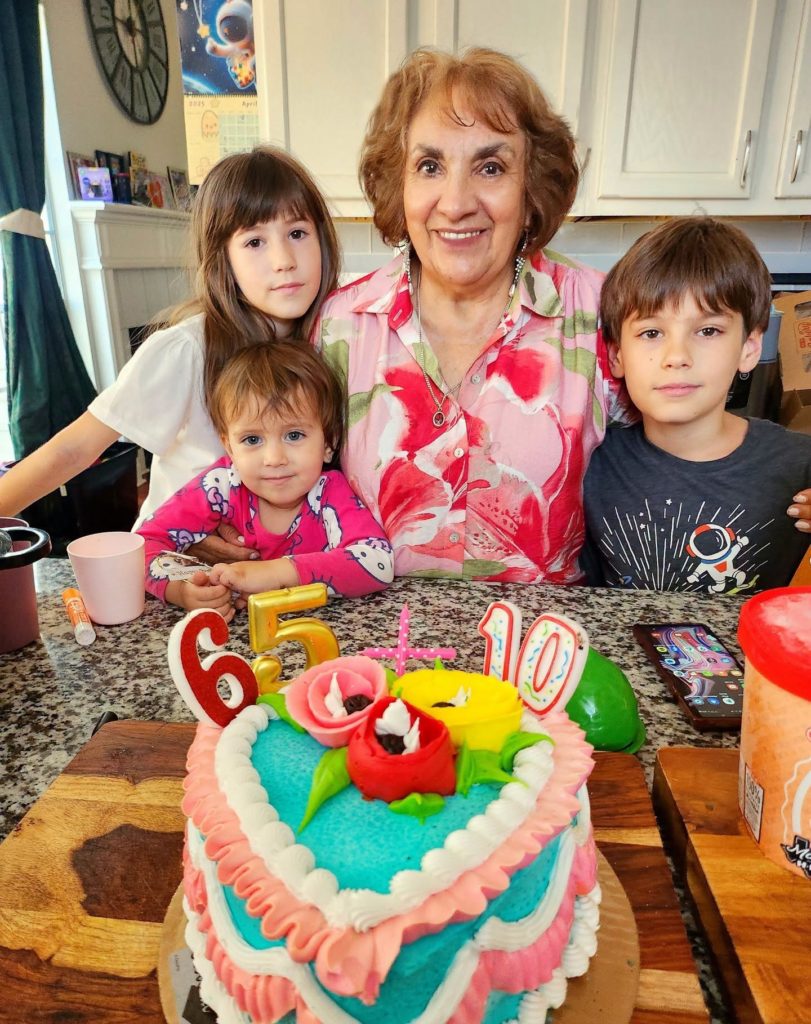
After filing the lawsuit, the family released a statement thanking the first responders who helped them that night, including EMS crews, Life Flight, and local firefighters.
Federal Regulators Step In
The National Highway Traffic Safety Administration opened a special crash investigation into the incident this week. It’s one of dozens the agency has launched into Tesla’s driver-assistance technology.
NHTSA has opened 46 special investigations tied to Autopilot and Full Self-Driving since the agency started tracking them in 2016. More than a dozen of those involved a death.
The agency hasn’t said what action it plans to take. Special crash investigations gather detailed data on a single incident. They can lead to a recall, a new safety rule, or close without further action.
Not an Isolated Crash
This case lands inside a wider pattern. Last year, a Florida jury awarded $243 million in a case involving Tesla’s Autopilot system, a verdict that changed how courts weigh the company’s marketing against driver behavior.
In May, a Tesla crashed into a house in Clairemont, California, after first hitting another vehicle. Six people were hurt. Witnesses said the driver claimed Autopilot was active at the time.
A 2023 Washington Post analysis tied at least 17 deaths to Tesla’s Autopilot system, a figure the new lawsuit cites directly. The independent tracking site TeslaDeaths counts at least 65 fatalities linked to Autopilot or Full Self-Driving since 2013.
What Comes Next
Tesla tells drivers to stay alert and ready to take control at any moment, no matter which automated mode is running. Its systems aren’t classified as fully self-driving under current law.
Two investigations are now running side by side. NHTSA is digging into the crash data to see what role, if any, the driving system played. The Barbour family’s lawsuit is heading towards discovery, where Tesla will likely have to hand over the Tesla Model 3’s full data logs.
Butler hasn’t been charged with a crime, and the sheriff’s office investigation stays open. Whether the answer points to driver error, a software flaw, or some mix of both depends on data neither side has fully released yet.
You May Also Like:
Autonomous Vehicle Technology: Are We Convinced Enough?
10 Best Self-Driving Electric Cars for 2026
Do You Really Know How to Operate Your Semi-Autonomous Vehicle?
I’m Dr. Brandial Bright, also known as the AVangelist. As a dedicated and passionate researcher in autonomous and electric vehicles (AVs and EVs), my mission is to educate and raise awareness within the automotive industry. As the Founder and Managing Partner of Fifth Level Consulting, I promote the adoption and innovation of advanced vehicle technologies through speaking engagements, consulting, and research as we progress to level 5 fully autonomous vehicles.